Roulot Perrieres/Rousseau Clos saint Jacques Dinner - recap
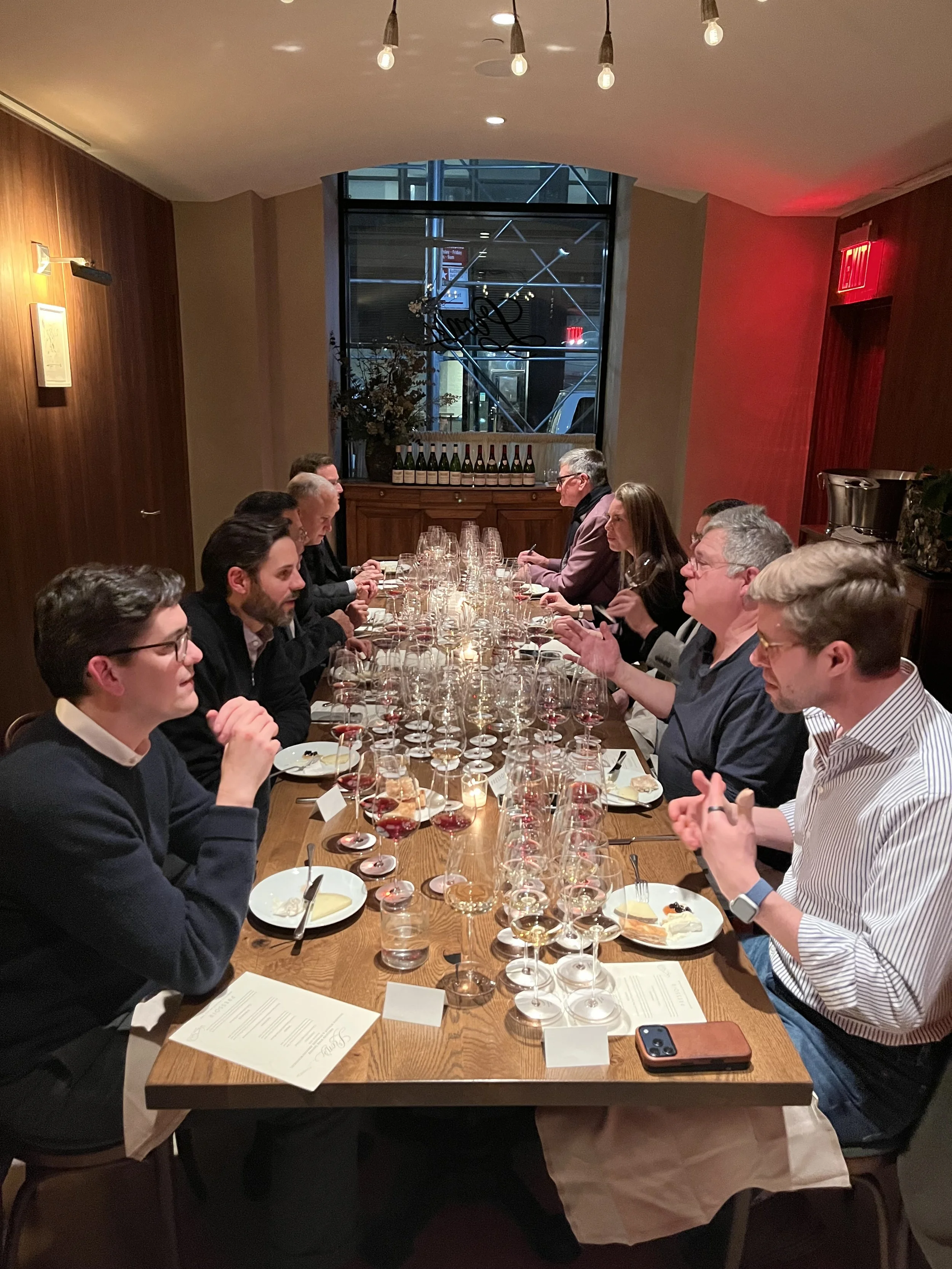
An engaged Pressoir group
Edouard Bourgeois
January 16, 2026
When it comes to legendary names in Burgundy, Roulot and Rousseau sit at the top of the pyramid. With over a century of winemaking history, both domaines continue to inspire their peers and delight sommeliers globally - while the prices have now achieved all time highs.
In Burgundy, it is common to discuss Premier Cru vineyards that arguably deserve Grand Cru status. While climats like Malconsorts or Les Saint Georges often come to mind, Meursault Perrières and Gevrey-Chambertin Clos Saint Jacques are equally exceptional examples.
The Roulot family purchased their current quarter-hectare parcel of Perrières in 1976. Jean-Marc Roulot, who has led the domaine since 1989, has solidified its reputation as one of the most sought-after white wine producers in the world. This Meursault is celebrated for its precise, chiseled minerality, balanced by the signature texture of the village which combines volume with a nutty/buttery character.
Domaine Armand Rousseau was founded in the early 1900s and began estate bottling in the 1920s—a bold move that not many winegrowers dared at the time. The domaine produces six different Grands Crus, yet their Premier Cru Clos Saint Jacques is widely recognized as Grand Cru in quality. The vineyard’s south-east orientation, gentle slope for drainage, and proximity to the Combe de Lavaux create a unique microclimate that ensures both ripeness and a cooling effect that elongates the ripening process.
Below are my notes from the tasting.
Domaine Roulot, Meursault Premier Cru Perrières vertical
- 2010: This particular bottle showed some oxidation on the nose, though the palate remained in better shape.
- 2009: Despite the richness of the vintage, this wine was clean and beautifully balanced with a superb, exuberant finish.
- 2006: A great surprise from a difficult year. While a storm hit during harvest, Jean-Marc picked just in time, resulting in a fresh wine with delicate grapefruit rind notes.
- 2005: Amazing and exuberant; the aromatics jumped out of the glass.
- 2004: The highlight of the vertical. Nearly two decades of age have developed notes of nougatine, honey, and hazelnut, complemented by a discreet vegetal accent.
- 2002: Similar to the 2010, this bottle had a touch of oxidation but remained exciting.
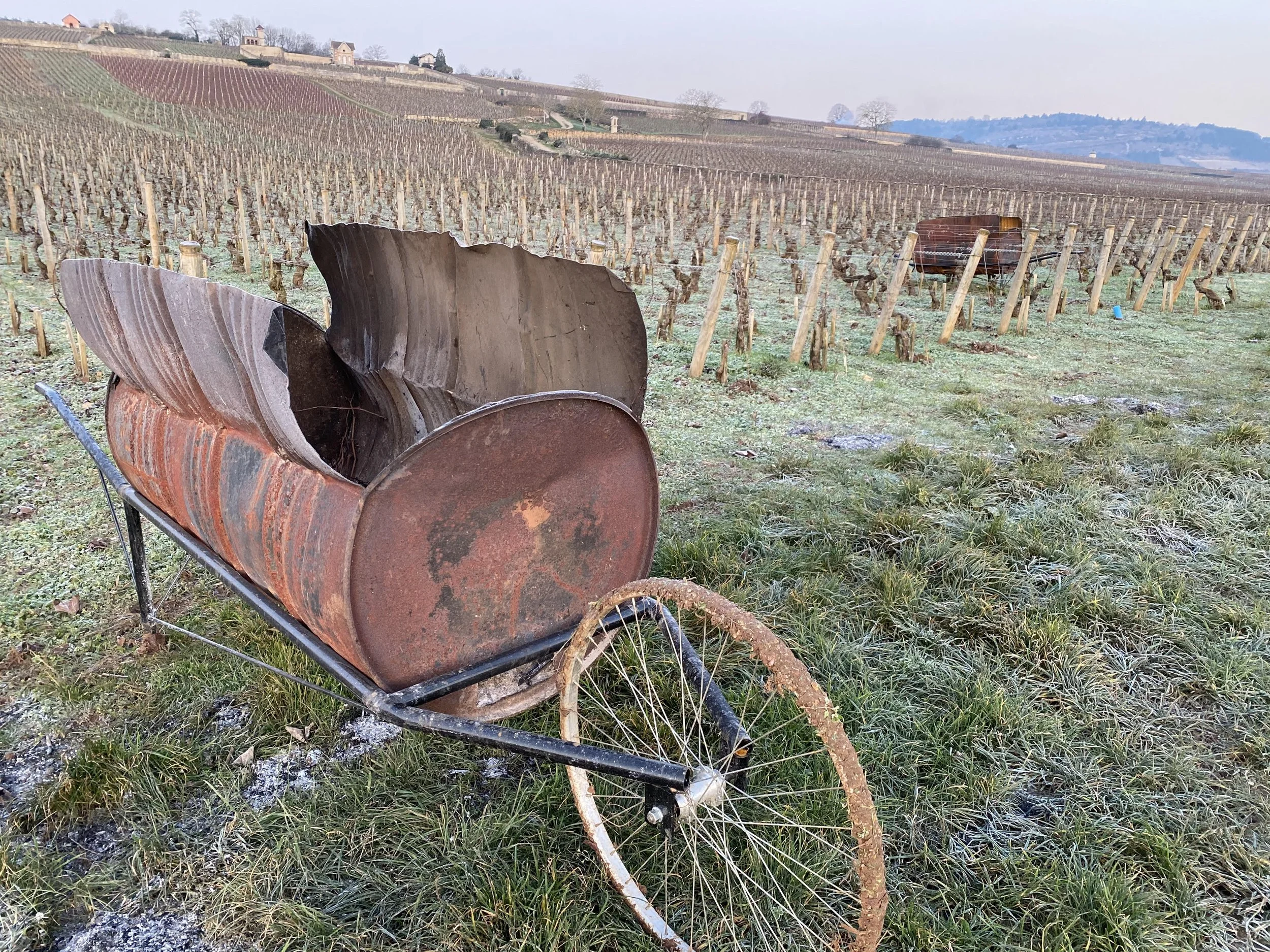
Meursault
Domaine Armand Rousseau, Gevrey-Chambertin Premier Cru Clos Saint Jacques vertical
- 2009: Still very youthful on the nose with primary red fruit. The palate offered classic Gevrey power and elegant tannins.
- 2005: Seemed even younger than the 2009. The structure was tight initially but opened beautifully with time, though the alcohol was noticeable.
- 2001: Superb. A wine that "pinote" as the Burgundians like to say, showing secondary aromas of bruised fruit, glycerol, and earth.
- 1996: Known for high acidity, wines from that vintage may sometimes be angular and austere. But here, the high acidity brought an intense structure without compromising the fruit. Excellent with a long finish.
- 1993: Arguably the wine of the night; an incredible show-stopper with a sensual sweetness at its core. It kept on opening up and evolving in the glass.
- 1990: Like an elegant grandmother with stories to tell, this wine showed its age with grace. The palate remained in great form, featuring delightful tertiary notes of forest floor and violet flower.
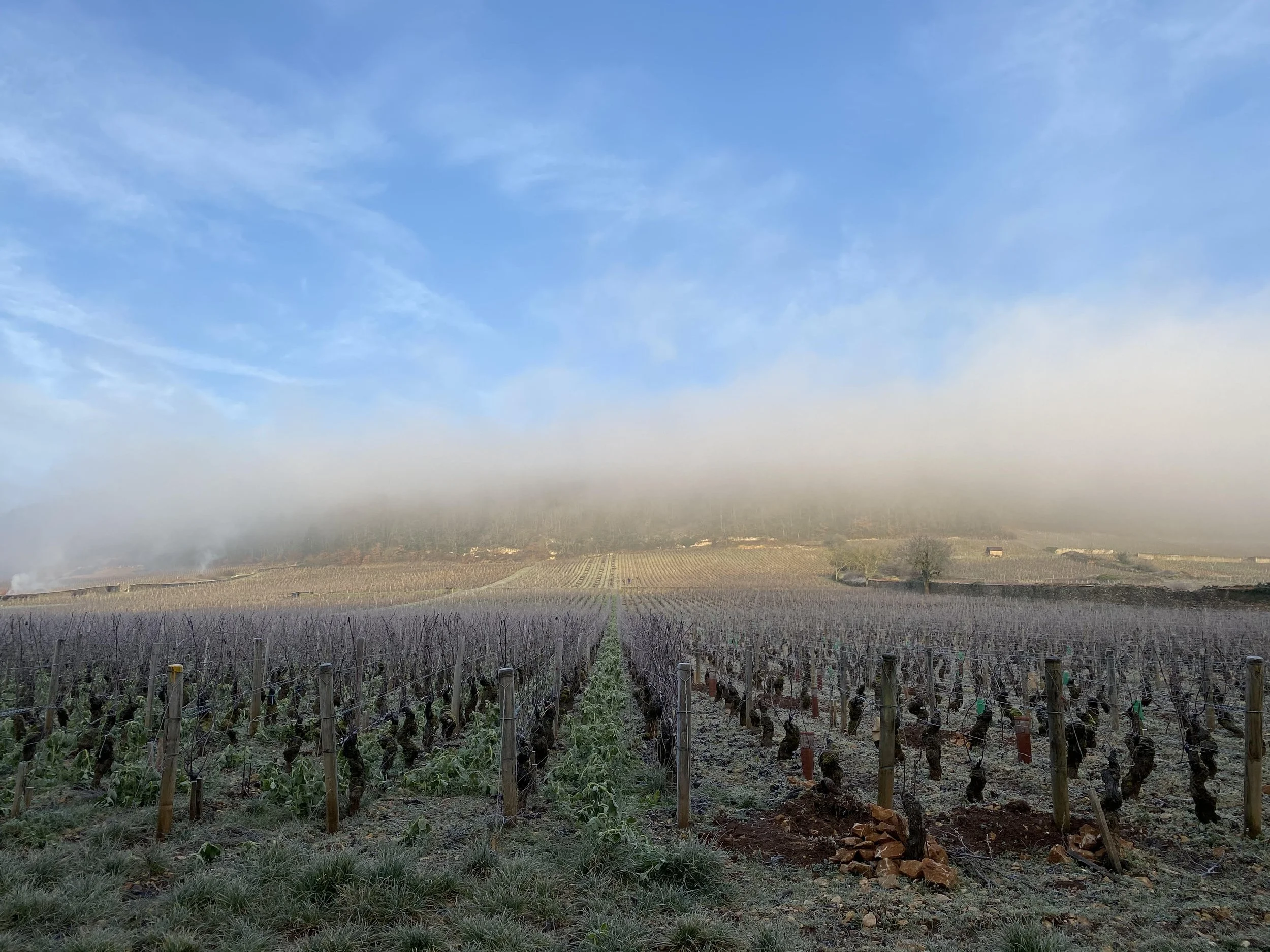
Clos Saint Jacques in the morning light of the 2021 winter