
Frost in Chablis
by Justine Puaud
April 17, 2026
Chablis is one of the most iconic wine regions in the world.
As a quick reminder, the Chablis vineyards belong to the belt bordering the “Bassin Parisien”. There are actually two types of soils formed during two periods of the Jurassic era: Kimmeridgian, and also the more recent Portlandian (also called Tithonian). The Petit Chablis appellation is located primarily on Portlandian soils, on the upper slopes or plateaus, while the other appellations—Chablis, Chablis Premier Cru, and Chablis Grand Cru—developed on the hillsides, are found mainly on Kimmeridgian soils.
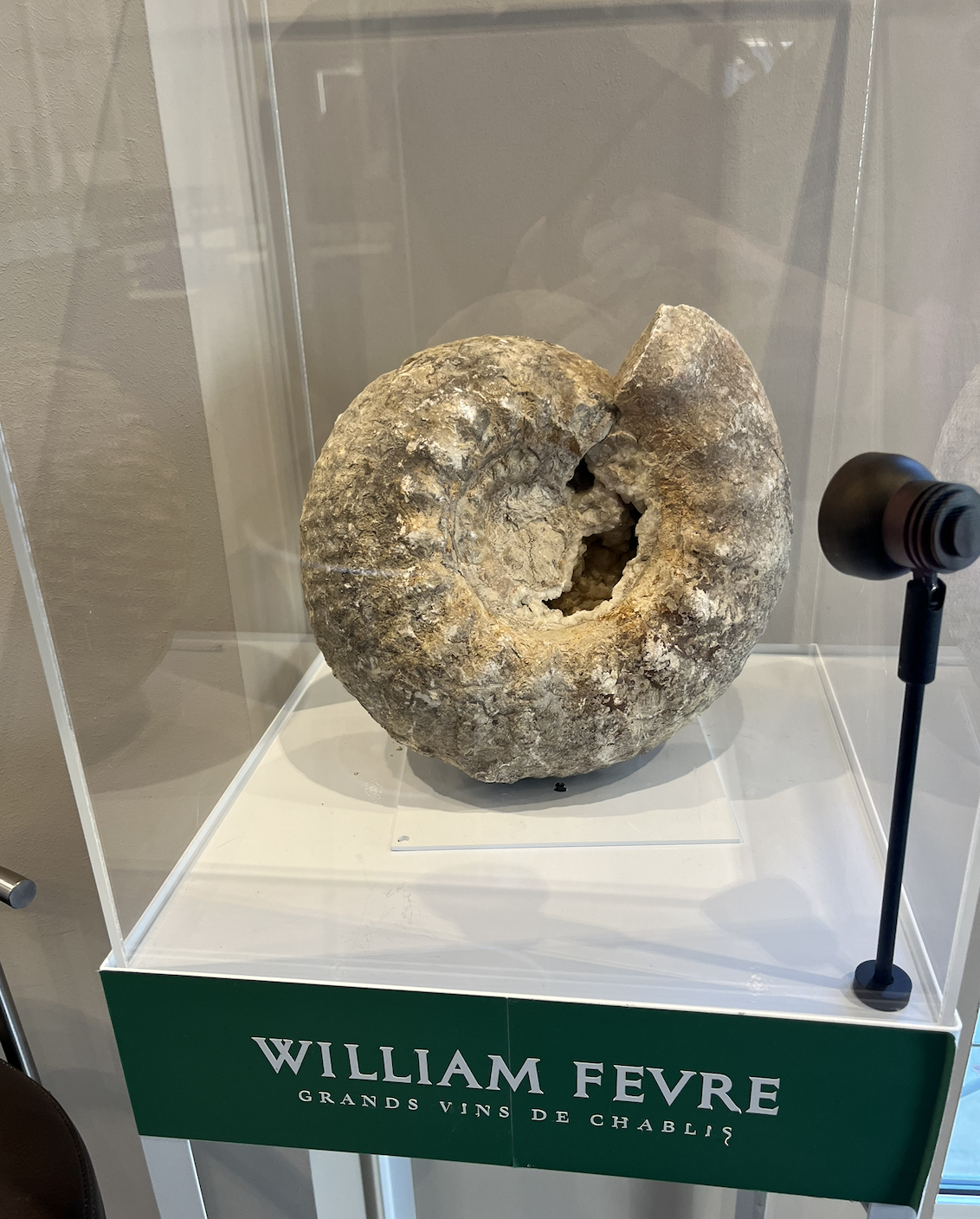
While some in the Côte d’Or are recently complaining about difficult vintages and small crops (2021,2024, 2025), the Chablisien have been fighting against frost for the last 80 years… Is mother nature just not nice to this region? Or is frost actually just part of its entire DNA?
The Chablis region lies at the northernmost limit of French vineyards, a latitude beyond which producing still dry wines becomes unreliable. This extreme location makes the vines particularly vulnerable to frost.
I was lucky enough to spend two days in mid-March with Marni and John, wonderful Pressoir Club members in Chablis. We couldn’t complain - there were warm temperatures and beautiful sunshine every day. But the problem was the temperatures were too cold at night (some nights the temperature dropped to -1 C / 30 F).
Vincent Dauvissat was explaining to us that back to the 60s, the Chablisiens were not making wine every year. Frosts, once frequent but now less so due to climate change, the challenges of cultivating steep slopes in the past (before the advent of tractors), the poor sales of wines from the early decades of the last century, the many Chablis winegrowers who perished in the First World War, and the exodus of young people to Paris are all factors that caused the vineyards to stagnate until their resurgence in the 1960s and 70s.
As the winemakers know frost hits every year, I asked them if they have a plan and can prevent against frost or, can they tell us now if frost hits one specific part of the region of Chablis or if actually everything changes every year and is just unpredictable…. Vincent Dauvissat was explaining about different types of frost.. Last year, he was referring to the frost “of the spring” hitting the Chablis villages, this year frost was coming from the south and hitting his premiers crus.
The Chablis wine syndicate and all the winemakers have set up different methods to fight against frost. You can tell that for now they haven’t found THE solution. Some are using candles, but is it great for the environment? Others have the finances to invest in heating cables. It costs between 40 000-60 000 euros per hectare. Many producers say that water spray works very well and costs less. They created an artificial lake to take water from near the Chablis Vau de Vey (Domaine Lavantureux) named Etang de Beine.
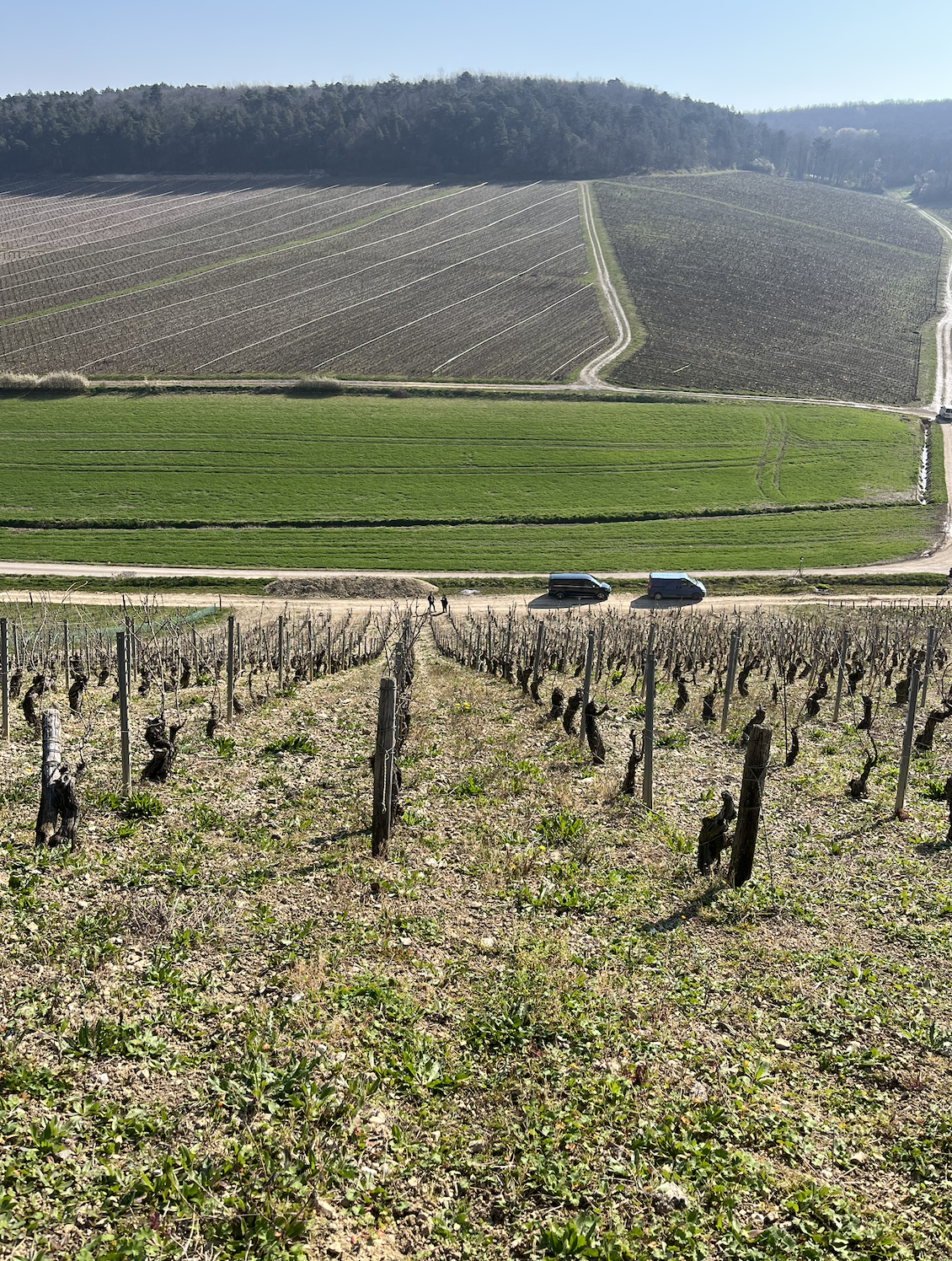
The very steep hills of Vau De Vey
I was also wondering if old vines are more resistant to the frost than young vines. Vincent was saying that old vines are more resistant to disease and heat wave but with frost it will be the same whether one has old vines or young vines, unfortunately…
Everything is happening very fast this year. It reminds them of 2020 or 2021. They are almost 6 weeks in advance compared to regular years. Buds are growing fast, frost is hitting and bud eaters are around…
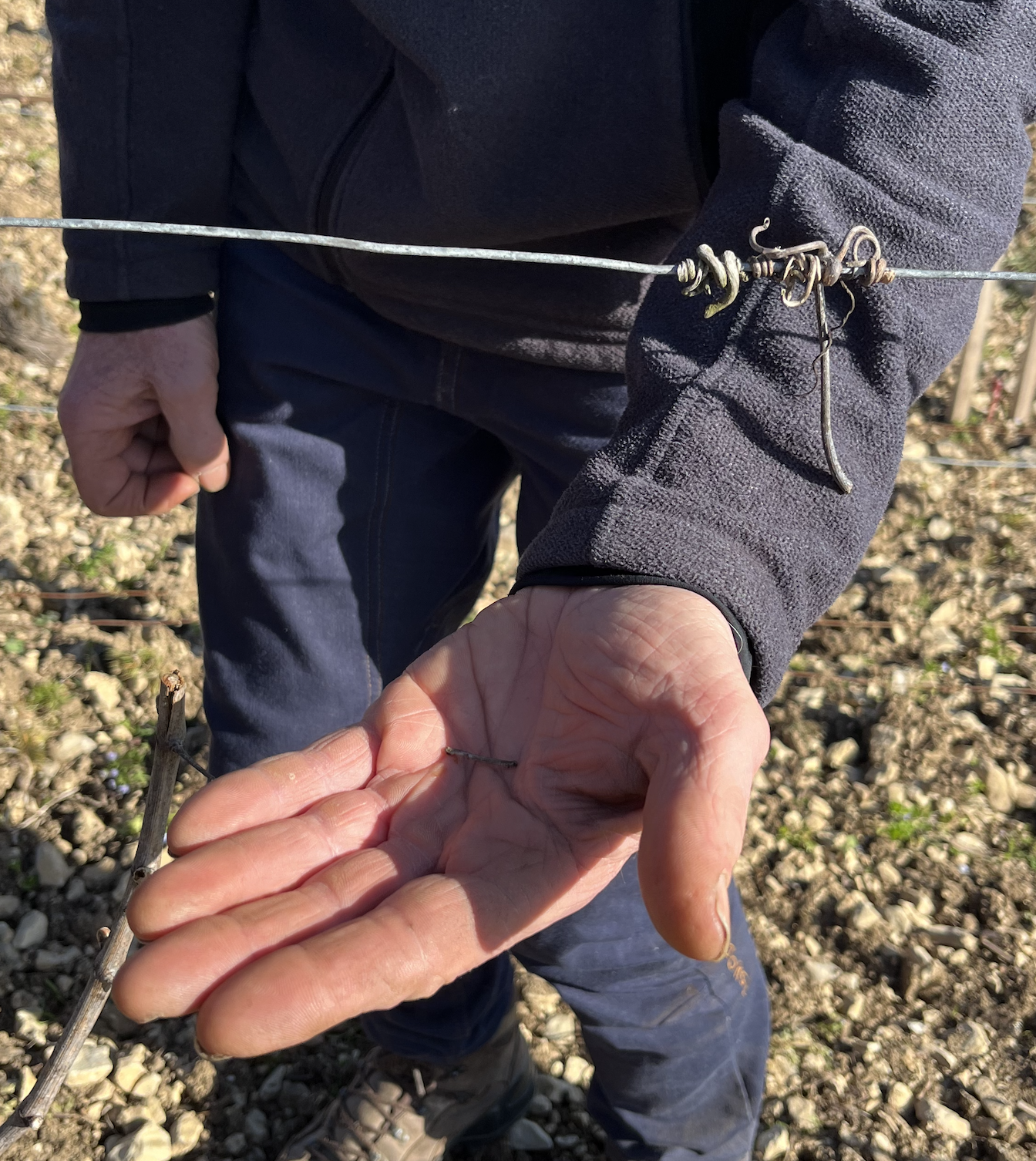
Current enemy in the vineyard: the Boarmie caterpillar or "bud eater"
In March, the winemakers were subject to a second frost week! It was happening right in the middle of La Paulee de New York between March 26 and March 29… Everyone was super worried and a bit frustrated to be in NY to be clear… When Maxime Raveneau came back the first week of April he noticed that over 50% of the buds were dead… Can we tell he already lost 50% of his crop? It may be too soon to tell and maybe it is not over yet… It is commonly said that there is a risk of frost in the plains until the Ice Saints, on May 11, 12 and 13.