

What's Pressoir Cooking?
Saumon a l’Oseille
By Edouard
6/1/2021
Saumon a l’Oseille
I arrived in France last week and we are staying at my mom’s country home in Northern Burgundy. I love that bucolic atmosphere, far from the concrete jungle of Manhattan. It’s a refreshing feeling to reconnect with nature and I rediscovered the joy of picking my own fruits and vegetables in the orchard. One morning I was sampling some radishes with my son while checking on the growth of the snap peas and lettuces when I stumbled upon a massive bush of sorrel. That tangy herb is a great ingredient for soup or even an omelette but it was made famous by Chefs Pierre & Jean Troisgros in the classic recipe “saumon à l’oseille”.
So the next morning I picked a handful of those beautiful green leaves and started cooking. The association of the tangy flavor of sorrel and the fattiness of the salmon is excellent. Cream and butter are obviously key ingredients - the recipe calls for 4.5 oz of butter for 2 lbs of salmon...
You can cook the fish “en papillote” in parchment paper but I prefer grilling it over wood charcoal and preparing the sauce on the side. The smoky flavor is fantastic and you get a nice crisp skin while the center of the fish remains juicy and barely cooked.
As far as wine pairing, it may come as a surprise (since my mom lives close to the Chablis vineyards) but I opened a white Bordeaux that paired beautifully with the dish. The Sauvignon blanc grassy profile matched the sorrel and the wine, being so dry, offered a great contrast to the rich and creamy sauce.
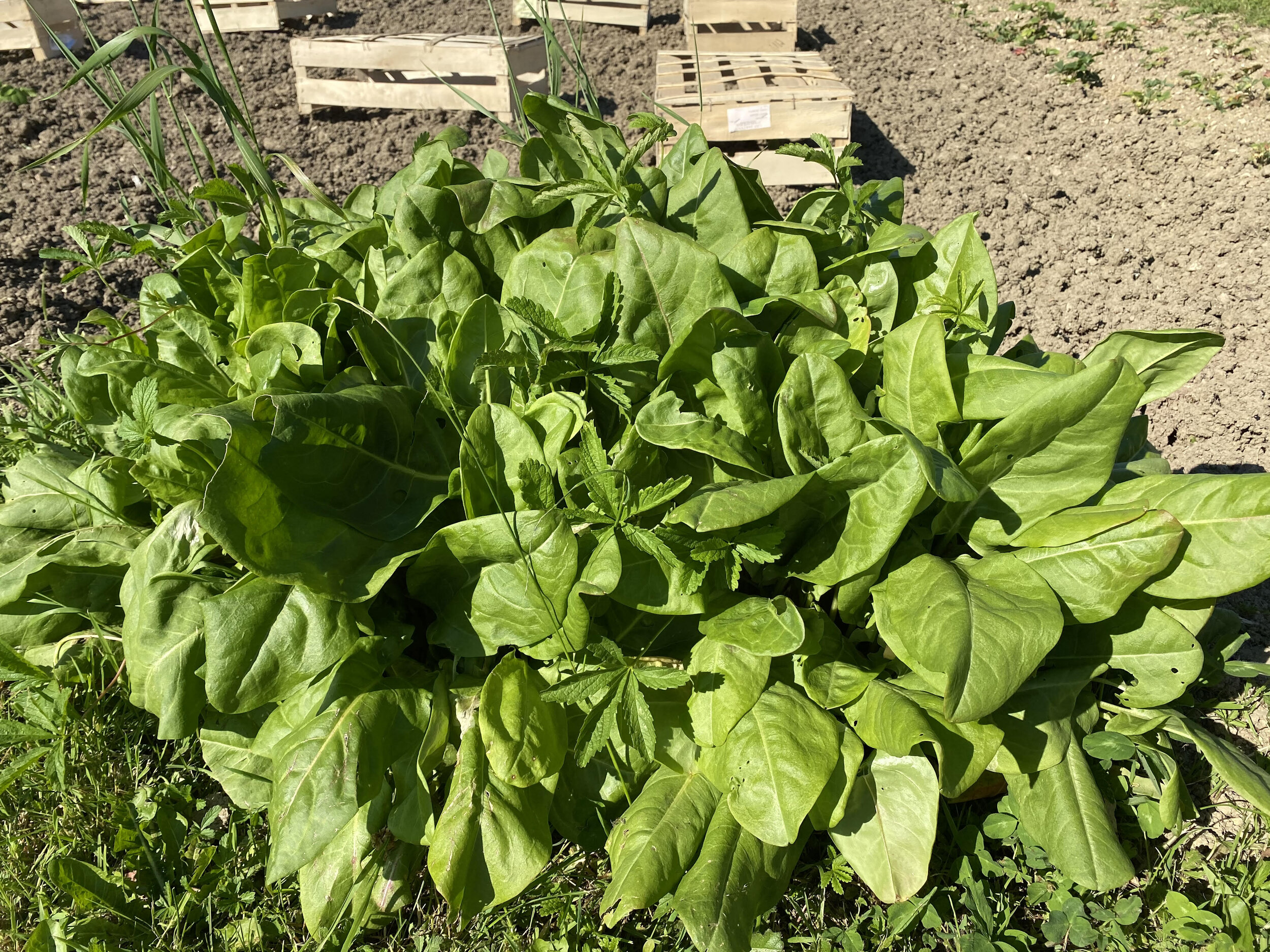
A nice patch of sorrel (oseille in French)
RECIPE FOR 4-6 PEOPLE
2 lbs of salmon filet
4.5 oz of butter
2.5 oz of shallots
7 fl oz of cream
7 fl oz of dry white wine
4 fl oz of fish stock
1 fl oz of dry vermouth
1/4 cup packed sorrel
1/2 a lemon
Salt
Fresh cracked pepper
INSTRUCTIONS
Mince the shallots and put them in a sauce pan with white wine, fish stock and vermouth. Reduce slowly.
Add the cream and reduce more.
Add the sorrel leaves and wait 20 seconds. Remove the pan from the fire and add the butter in small pieces while gently stirring. Don’t use a whisk so the leaves don’t break
Add a dash of lemon juice, season to taste
Grill the salmon on a very hot grill so the skin gets crispy.
Pour the sauce in a deep plate. Place the pieces of salmon on top
Bon appétit!


What's Pressoir Cooking?
by Edouard
2/4/2021
Making Boeuf Bourguignon, in Burgundy!

Boeuf Bourguignon, le grand classique
Whenever I go visit my favorite producers in Burgundy, I make a pilgrimage to restaurant “Ma Cuisine” in Beaune to taste the famous regional “Boeuf Bourguignon”, a stewed dish made with a rich Burgundy wine sauce. This year, since all the restaurants were closed, Raj and I were delighted to taste Daniel’s (yes, Johnnes) interpretation of this superb, classic dish.
Although it is a countryside, somewhat rustic dish, details do matter, starting with the choice of meat.
Meat that has lots of collagen in it starts off tough (as it tends to come from the strongest parts of an animal's body) but, as it cooks, it very slowly transforms into meltingly soft and moist gelatin. It's that gelatin that makes the meat still seem moist even after the muscle fibers have inevitably dried out from long cooking.
A boneless chuck roll, which comes from the cow's incredibly strong shoulder, is perfect for stewing.
Of course, the wine you use matters too. Even though you may think the rich sauce will benefit from a powerful wine, it is actually the acidity in the wine that provides brightness to the dish. In our case, Bourgogne Passetoutgrain, a delicate fruity Burgundy made from a blend of Pinot Noir and Gamay really did the trick.
And for an added tip, add a touch of powdered cocoa powder for extra depth in the sauce…
Bon appétit, et santé!